
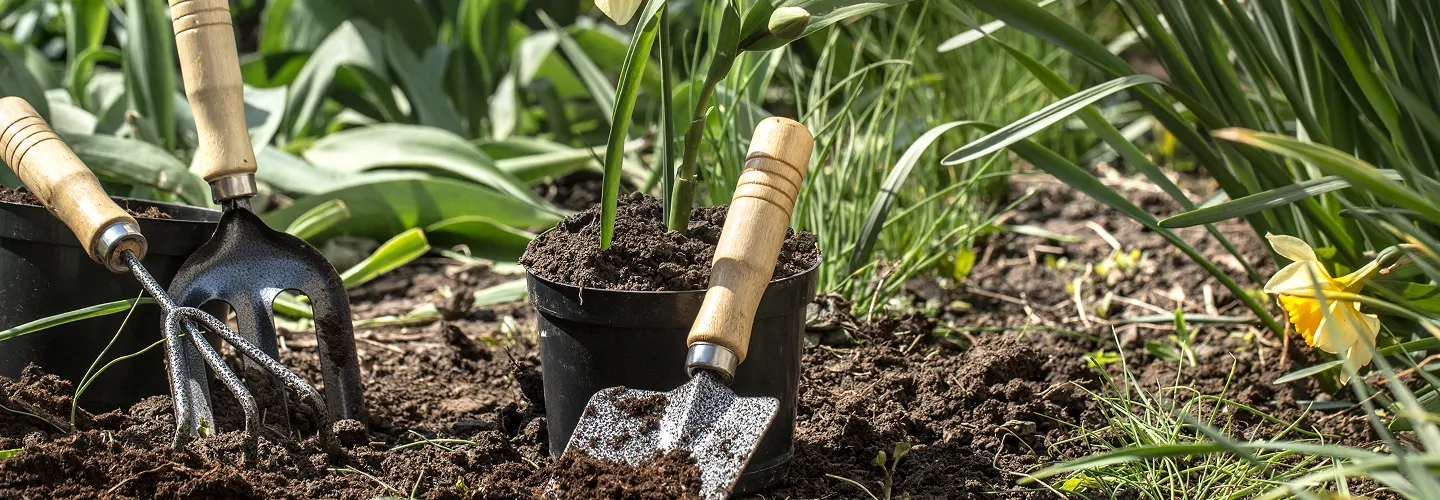
Wyldwood Flower Planting Services
Choose Wyldwood for vibrant, expertly arranged flower beds that enhance your curb appeal and thrive season after season—our experienced team ensures every planting is tailored to your vision and local climate.
Get a Free QuoteOur Wyldwood Landscaping & Yard Care Services
When to Schedule Flower Planting in Wyldwood, Texas – Seasonal Guide
Flower planting in Wyldwood, Texas, is best scheduled with careful attention to the region’s unique climate and landscape. The optimal planting windows typically fall in early spring, after the last frost date, and again in early fall, when temperatures begin to moderate. Wyldwood’s proximity to the Colorado River and neighborhoods like River Crossing and Cedar Creek means that microclimates can vary, so it’s important to monitor local weather patterns closely. Late frosts in March or unexpected heatwaves in May can impact young blooms, making timing crucial for healthy, vibrant flower beds.
Local environmental factors such as the area’s sandy loam soils, periods of high humidity, and occasional drought risk all play a role in determining the best planting times. Shade coverage from mature oaks in communities like Wyldwood Estates can affect sunlight exposure, while municipal watering restrictions may influence your planting schedule. For more detailed local guidelines, consult resources like the Sudbury town website, which offers helpful seasonal planting tips.
Local Factors to Consider for Flower Planting in Wyldwood
- Proximity to the Colorado River and its effect on soil moisture
- Tree density and shade coverage in neighborhoods like River Crossing
- Typical last frost dates (late February to early March)
- Risk of drought and municipal watering restrictions
- Soil type (sandy loam vs. clay in different areas)
- Terrain and drainage, especially near Cedar Creek
- Seasonal humidity and temperature fluctuations
Benefits of Flower Planting in Wyldwood
Expert Landscaping Services
Customized Garden Designs
Seasonal Plant Selection
Enhanced Curb Appeal
Eco-Friendly Practices
Reliable Local Team
Wyldwood Flower Planting Types

Perennial Flower Beds
-
Annual Flower Displays
-
Native Wildflower Gardens
-
Pollinator-Friendly Plantings
-
Shade Garden Flowers
-
Drought-Tolerant Flower Beds
-
Seasonal Bulb Plantings
Our Flower Planting Process
Site Evaluation
Soil Preparation
Plant Selection
Careful Planting
Watering and Mulching
Why Choose Wyldwood Landscape Services
-
Wyldwood Homeowners Trust Us
-
Expert Lawn Maintenance
-
Reliable Scheduling
-
Competitive Pricing
-
Professional Team
-
Satisfaction Guarantee
-
Personalized Service
Soil Series and Drainage Considerations for Flower Planting in Wyldwood
Wyldwood’s predominant soils, as identified by the USDA Web Soil Survey, include Houston Black clay and Burleson clay, both classified as Vertisols with high shrink-swell capacity and slow drainage. These soils typically have a pH range of 7.5-8.2, which can limit nutrient availability for many ornamental species. For successful flower planting, it is recommended to incorporate 2-3 inches of compost tilled to a 6-inch depth to improve structure and drainage. Soil testing through Texas A&M AgriLife Extension (15-25 cost) is advised to determine amendment needs. Key soil management steps include:
- Compost incorporation: 2-3 inches tilled to 6-inch depth
- Lime application only if pH below 6.0 (rare in Wyldwood)
- Raised beds for poorly drained sites
- Avoid planting in areas with standing water after rainfall
Texas A&M AgriLife Extension
17360 Coit Rd, Dallas, TX 75252
Phone: (972) 952-9200
Official Website: Texas A&M AgriLife Extension
Seasonal Timing and Climate Zone Guidance for Wyldwood Flower Planting
Wyldwood is located in USDA Hardiness Zone 8b, with average annual minimum temperatures of 15-20°F. The optimal window for planting most annual and perennial flowers is from March 1 to April 15, when soil temperatures reach 55°F. Fall planting of perennials is best completed between October 1 and November 15, allowing root establishment before winter. Avoid planting during peak summer (June-August) due to heat stress and high evapotranspiration rates. For weather-specific planning, consult the National Weather Service Austin/San Antonio Office. Recommended timing guidelines:
- Spring planting: March 1 – April 15 (soil temp 55°F+)
- Fall planting: October 1 – November 15
- Avoid June-August for new installations
- Monitor 7-day forecasts for rainfall and temperature extremes
National Weather Service Austin/San Antonio
2090 Airport Rd, New Braunfels, TX 78130
Phone: (830) 629-0130
Official Website: National Weather Service
Native and Adaptive Flower Species Selection for Wyldwood’s Conditions
Selecting species suited to Wyldwood’s alkaline, clay-rich soils and Zone 8b climate is essential for sustainable flower planting. Native and adaptive perennials such as Black-eyed Susan (Rudbeckia fulgida), Gulf Coast penstemon (Penstemon tenuis), and Autumn sage (Salvia greggii) are recommended for their drought tolerance and minimal fertilizer needs. For annuals, zinnias and cosmos perform well in full sun. Spacing should be 12-18 inches for most perennials to ensure airflow and reduce disease risk. Species recommendations:
- Full sun: Black-eyed Susan, Autumn sage, zinnia
- Partial shade: Turk’s cap, columbine, oxalis
- Deer resistant: Russian sage, lantana, salvia
- Native options: Winecup (Callirhoe involucrata), mealy blue sage (Salvia farinacea)
Consult Texas A&M AgriLife Extension for additional plant lists and diagnostic support.
Municipal Coordination and Compliance for Flower Planting Projects in Wyldwood
All flower planting activities in Wyldwood must comply with local ordinances regarding right-of-way planting, irrigation, and debris disposal. Equipment operation is permitted:
- Monday-Friday: 7:00 AM - 7:00 PM
- Saturday: 8:00 AM - 6:00 PM
- Sunday and holidays: Prohibited Planting within 10 feet of public sidewalks or utility easements may require review by the Department of Public Works. Debris from planting (soil, plant material) must be disposed of through approved municipal yard waste programs; plastic bags are prohibited. For projects near protected areas or city parks, coordinate with the Parks and Recreation Department. Permit review typically requires 5-10 business days for right-of-way work. Contact information:
City of Austin Transportation & Public Works
505 Barton Springs Rd, Austin, TX 78704
Phone: (512) 974-7065
Official Website: City of Austin Transportation & Public Works
Environmental Compliance: Stormwater, Buffer Zones, and State Regulations in Wyldwood
Flower planting in Wyldwood must adhere to Texas Water Code and Clean Water Act requirements, including MS4 stormwater permit provisions. No fertilizer or pesticide application is allowed within 50 feet of water bodies or wetlands. Maintain a 25-foot no-disturbance buffer from mapped wetlands and ephemeral streams. Clippings and soil must not enter storm drains, as prohibited by EPA Phase II regulations. For projects near sensitive areas, consult the Austin Environmental Commission for guidance. Compliance checklist:
- 25-foot buffer from wetlands
- No fertilizer/pesticide within 50 feet of water
- Prohibit debris in storm drains
- Use only EPA-registered products for any chemical applications
Texas Commission on Environmental Quality
12100 Park 35 Circle, Austin, TX 78753
Phone: (512) 239-1000
Official Website: Texas Commission on Environmental Quality
What Neighborhoods Do We Serve Throughout Wyldwood, TX?
- Cedar Creek Estates: Features expansive lots with Houston Black clay soils and moderate drainage; flower planting here often requires raised beds and compost amendments.
- Wyldwood Meadows: Newer development with compacted fill soils and limited mature tree cover, making soil aeration and organic matter incorporation essential for successful plant establishment.
- River Crossing: Proximity to the Colorado River floodplain necessitates careful attention to wetland buffer requirements and periodic soil saturation challenges.
- Oak Hill Acres: Characterized by mature oak stands and partial shade, requiring selection of shade-tolerant and deer-resistant flower species.
- Pine Forest: Sandy loam inclusions and sloped lots present unique drainage and erosion control considerations for planting beds.
- Lost Pines Preserve: Adjacent to conservation land, this area is subject to stricter environmental oversight and native plant requirements for all landscaping projects.
- Wyldwood Village: Higher density housing with HOA landscaping guidelines, including restrictions on plant height and setback distances from sidewalks and driveways.